A leaking or damaged roof in Dearborn faces freeze-thaw cycles, ice dams, hail, and wind — often in the same year. This page covers leak repair, shingle repair, flashing repair, storm damage, emergency response, what repairs cost, how insurance works, what to do right now — and full roof replacement for when repair no longer makes sense.
Prefer reading first? Start with what to do right now ↓
Leaks, shingles, flashing, storm damage, ice dams, emergency tarping — diagnosed and fixed by one local crew.
We show you the actual problem before quoting. If a small repair will do, we won't sell you a full replacement.
Active leaks and storm damage are treated as urgent — call (313) 769-7896 and we will schedule the earliest available visit.
Repairs engineered for freeze-thaw, ice dams, and lake-effect snow — not just patched for summer.
Water doesn't drip straight down. It travels along rafters, soaks insulation, and pools far from the entry point — which is why the ceiling stain is rarely under the actual hole. In Dearborn, freeze-thaw cycles make it worse: water trapped in a tiny crack expands when it freezes, wedging the opening wider with every cycle.
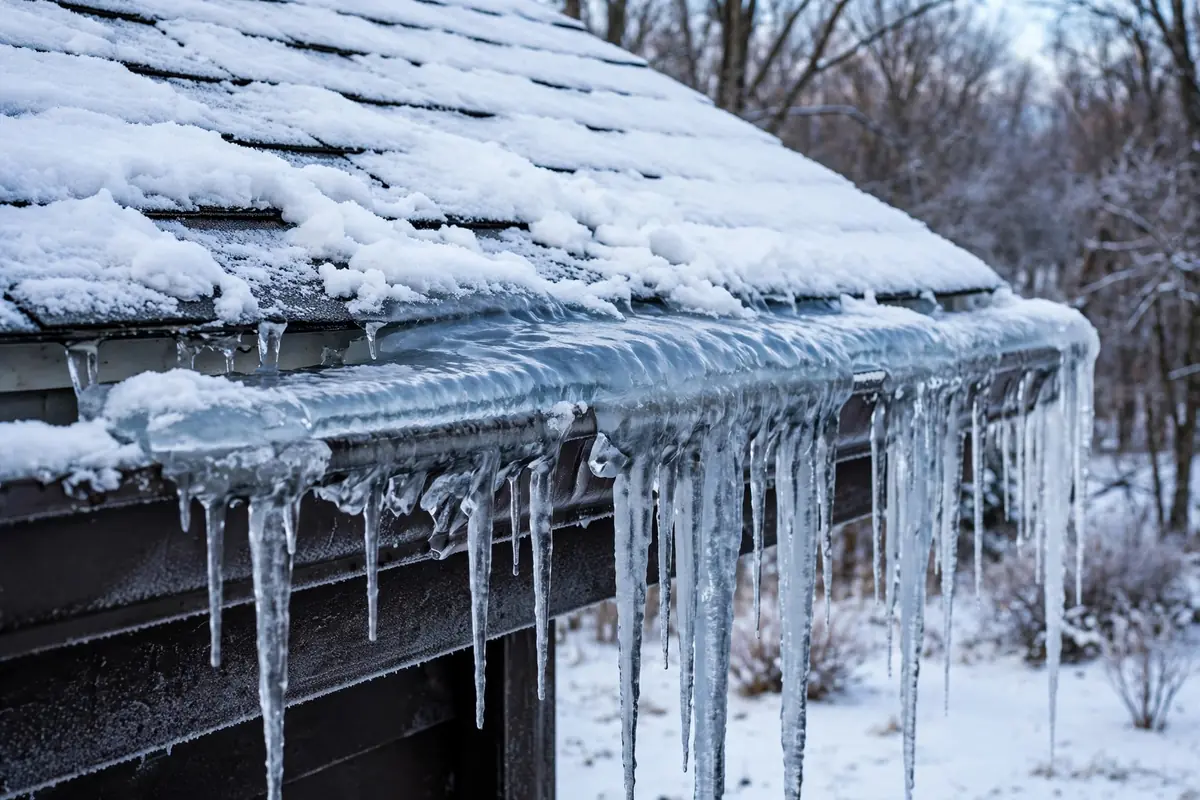
Then there's the ice dam problem. Heat escaping into your attic melts roof snow, which refreezes at the cold eaves — forcing water uphill under your shingles. By the time you see a stain, decking, insulation, or drywall may already be compromised.
The rule is simple: the longer a roof stays wet, the more of it needs replacing instead of repairing. Calling while materials are still wet is the cheapest moment to act.
Before we arrive — five minutes that limit the damage:
Whatever you're seeing — start with the closest match and call for specifics.

Attic-to-surface leak tracing with water testing. We find the entry point, not just the stain.
Learn more →
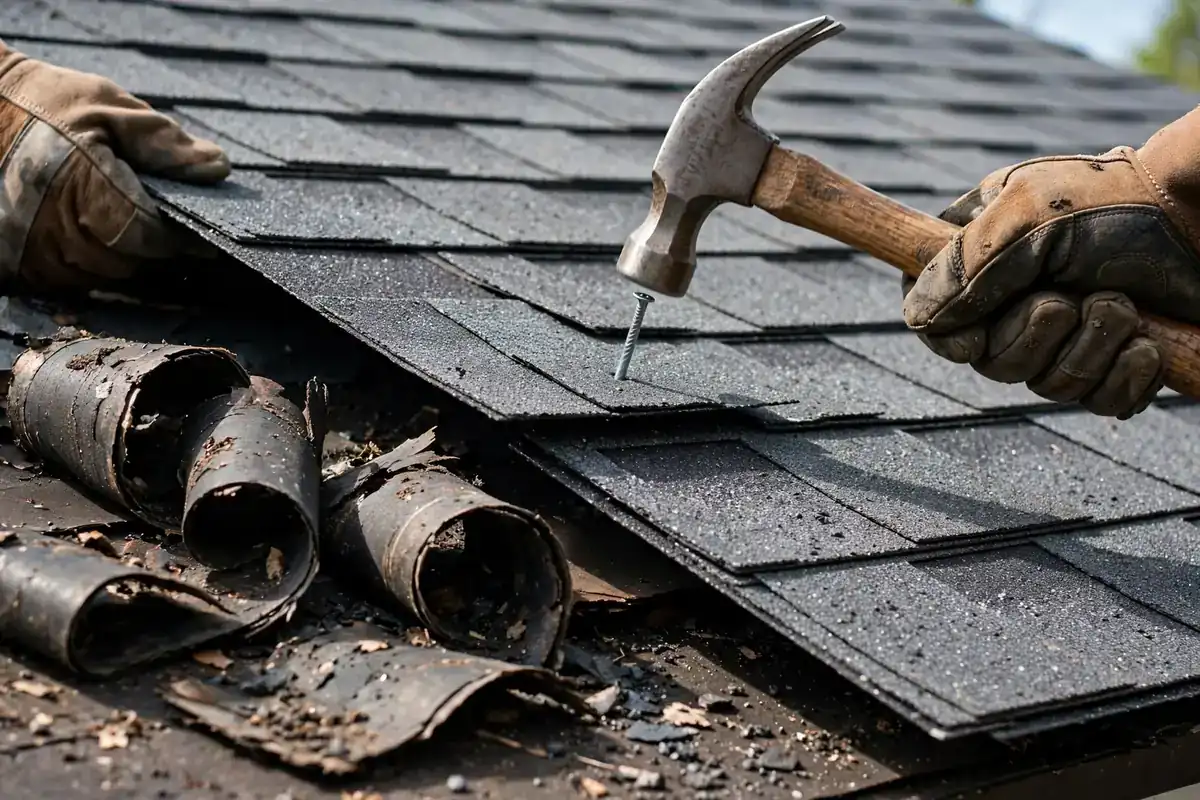
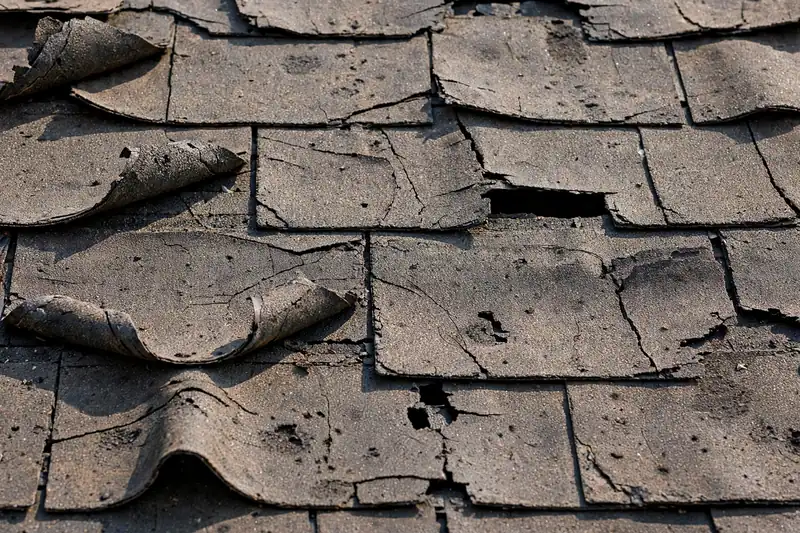
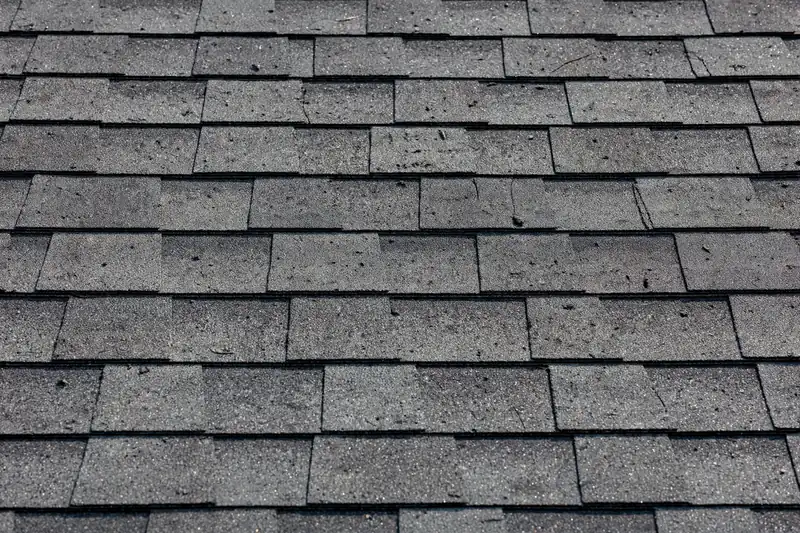
Wind-lifted, cracked, or hail-bruised shingles replaced with color-matched architectural shingles.
Learn more →
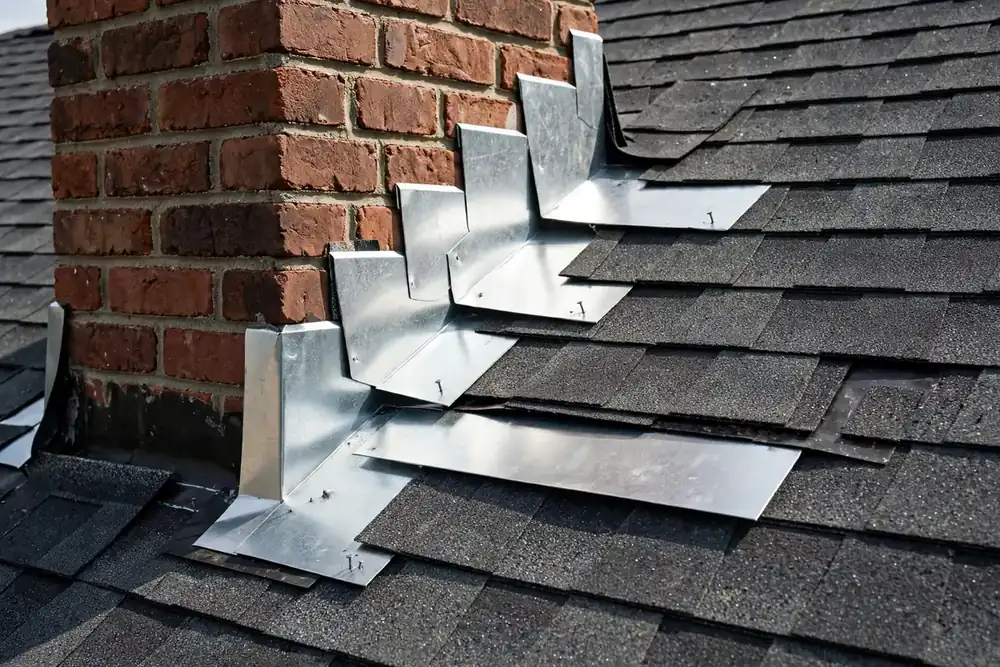
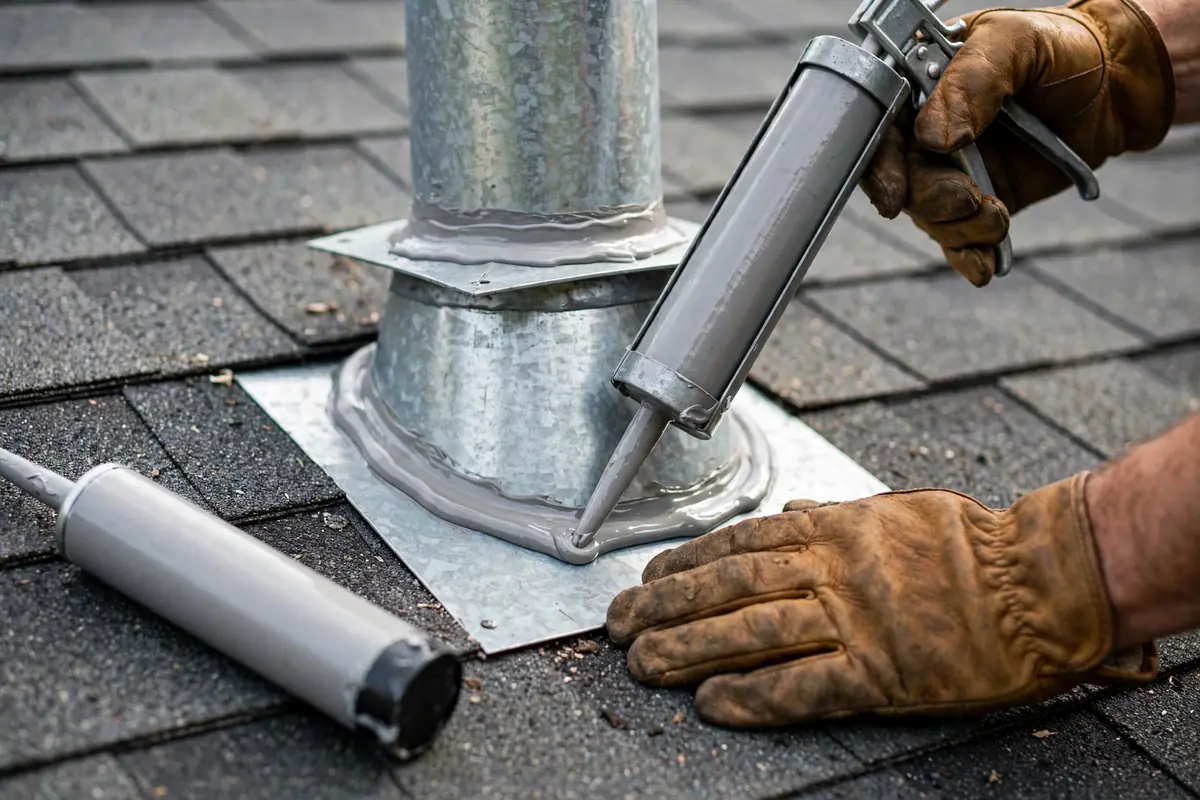
Chimney, valley, skylight, and vent flashing rebuilt properly — the fix behind most “mystery leaks.”
Learn more →
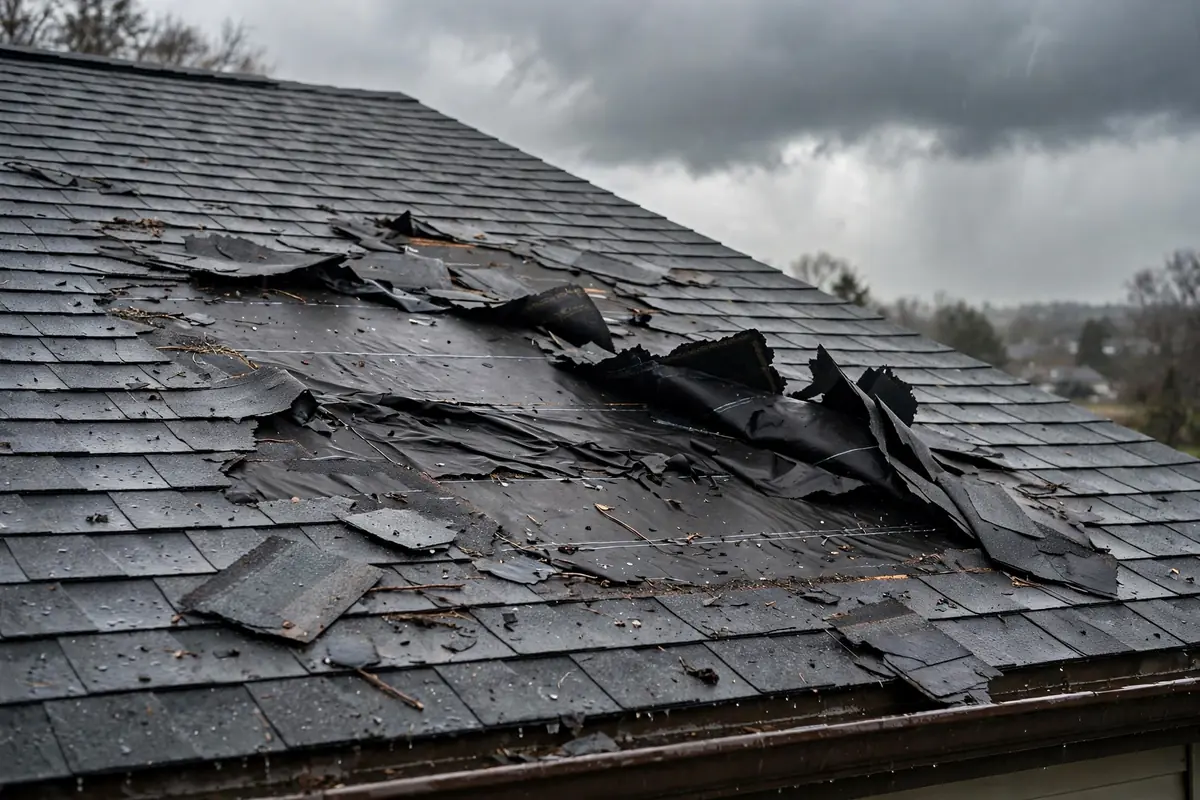
Hail and wind damage documented with dated photos, emergency tarping, and adjuster support.
Learn more →
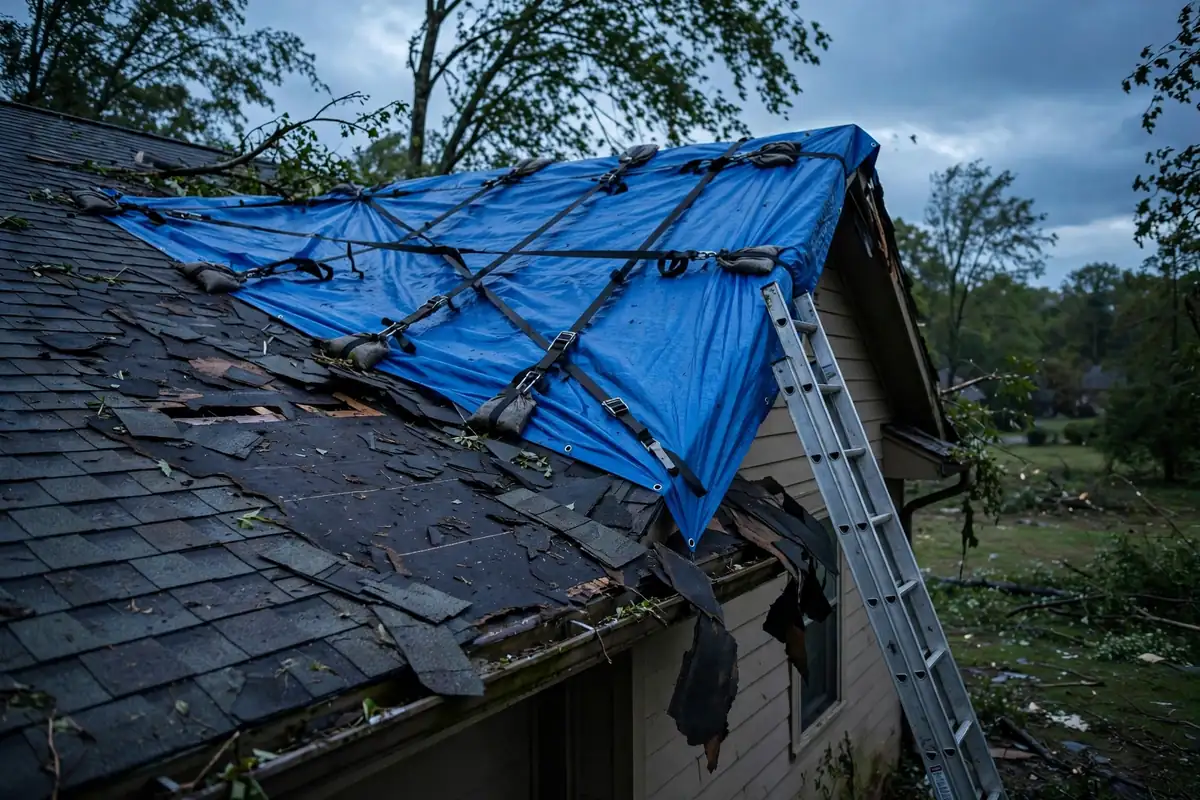
Fast water-stop response for active leaks. Tarp first, repair properly right after.
Learn more →
Safe steam removal now, plus the permanent fix: balanced ventilation and insulation.
Learn more →
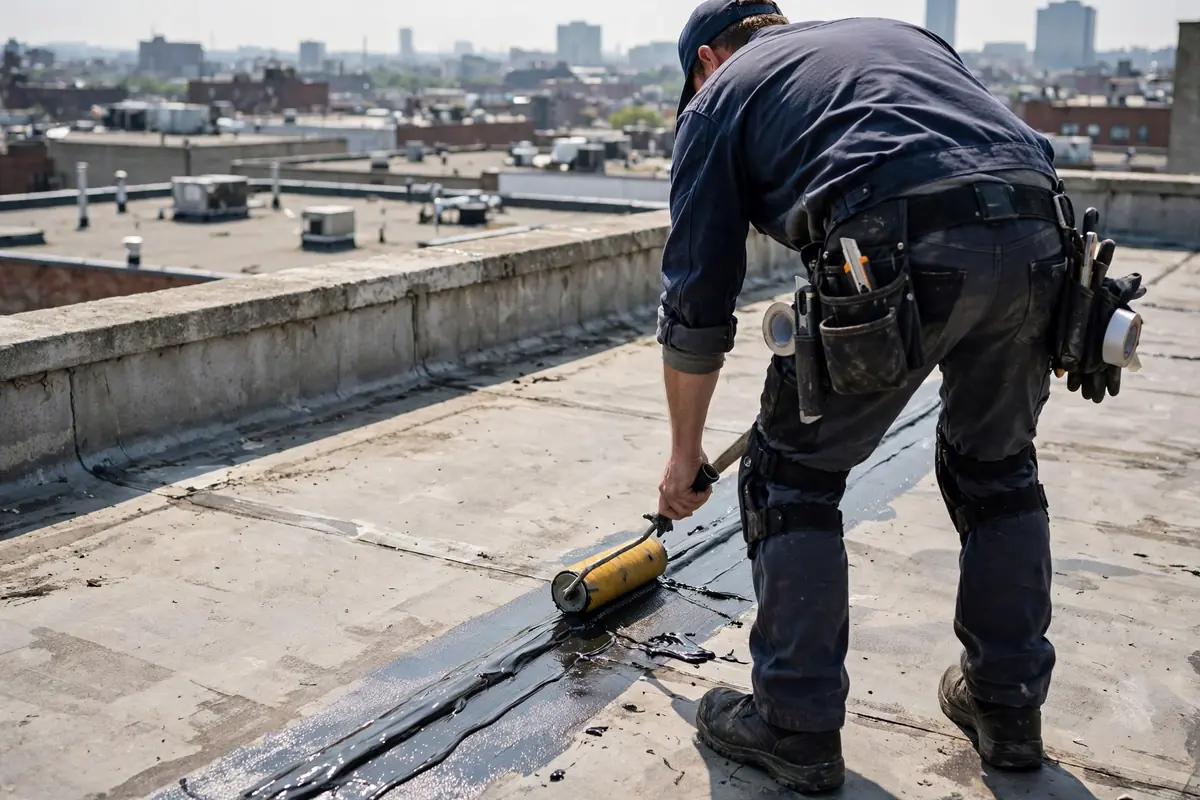
EPDM, TPO, and modified bitumen — seam splits, punctures, and ponding corrected.
Learn more →
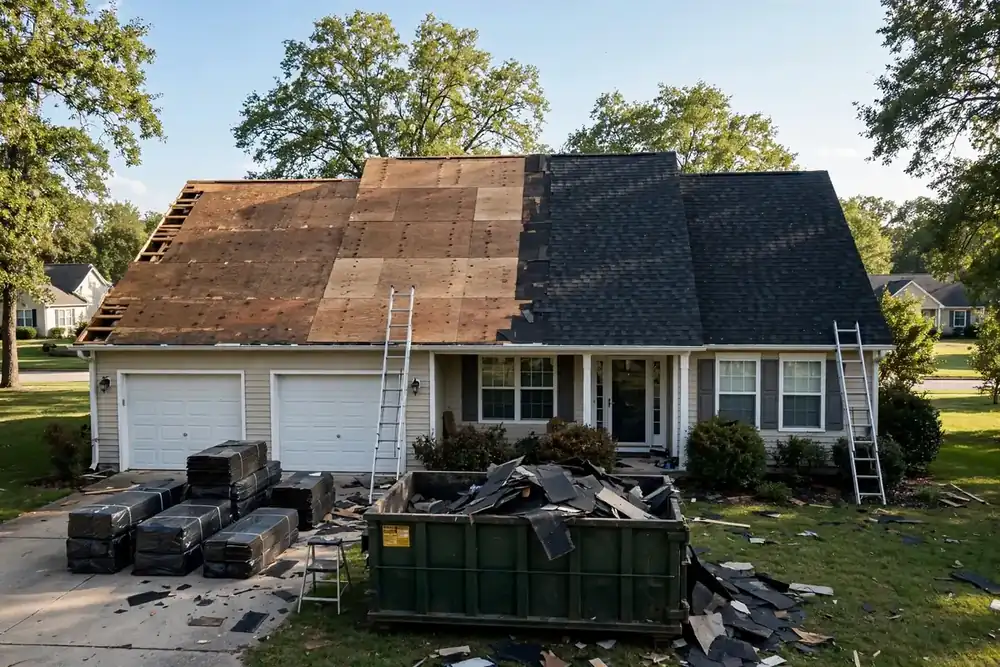
When repair stops making sense: full tear-off and re-roof with architectural shingles.
Learn more →
Photo-documented, no obligation. Know your roof's real condition before you decide anything.
Learn more →Repair cost depends on four things. Understanding them helps you read any quote — including ours.
Three lifted shingles on an accessible slope is a different job than a valley leak behind a chimney. Damage location — valleys, flashing points, and anywhere two planes meet — drives labor more than material.
Architectural shingles repair differently than metal or flat systems. Steep pitches, multiple stories, and cut-up rooflines with dormers all add safe-access time.
The honest unknown: decking rot, saturated insulation, or compromised underlayment only reveal themselves once opened up. This is why our quotes itemize "if we find" scenarios in writing instead of surprising you mid-job.
Emergency night/weekend calls and winter work cost more everywhere — that's the industry, not a gotcha. Standard scheduling is always the most economical option when the situation allows it.
Homeowners insurance in Michigan typically distinguishes sudden, accidental damage — hail, wind, fallen limbs — from gradual wear like aging shingles or long-ignored flashing. The first is often covered; the second usually isn't.
A wind-torn section after a storm is treated very differently from a leak that's been staining the ceiling for two years. Documenting early and accurately is what separates smooth claims from denied ones — before any repair begins.
We photograph everything with dates, write up what we find in plain language, and can meet your adjuster on the roof. What we can't do is determine coverage — that's between you and your carrier.
Have this ready for both your carrier and your contractor:
Move valuables, catch drips, and relieve bulging paint. Don't touch electrical fixtures near water.
Ground-level roof photos, interior stains, and timestamps. This is your insurance foundation.
Tell us the symptom, the location, and the weather history. We'll triage: emergency visit or scheduled inspection.
Knowing the sequence helps you spot who's cutting corners.
Roof surface, attic underside, and moisture tracing. You get photos of the actual failure point and a plain-English explanation of why it happened.
Written scope: materials, timeline, and total. "If we find" scenarios are priced up front, not discovered mid-job.
Damaged material removed, substrate checked, repair built to shed water — matched so it disappears into your roof.
Water-test where applicable, photo the finished work, walk it with you, sweep for nails, and document everything in writing.
These are the warning signs we see on every neglected repair call:
Stain keeps growing — the leak is active and spreading through decking with every rain.
Musty attic smell — trapped moisture is feeding mold in insulation and wood within 24–48 hours of saturation.
Soft or spongy feel — decking is rotting. Repair scope just graduated to replacement scope.
Paint bubbling on ceilings — water is pooling above the drywall; collapse risk is real.
Granules in gutters — shingles are shedding their weather armor; leaks follow within seasons.
Icicles + interior drip in winter — classic ice dam signature; water is being forced uphill under shingles.
"There's water dripping from the bedroom ceiling and it's 20 degrees outside. The gutters have huge icicles."
"Half the shingles on the south slope are in my yard after last night's wind."
"There's a brown spot on the living room ceiling but the roof looks fine from the street."
"The ceiling's had a faint stain for a year. Now it smells musty up there."
Drag the handle to compare.

Wind-damaged shingles replaced and sealed. Representative example of a typical Dearborn shingle repair — drag the handle to compare.
Southeast Michigan swings across the freezing line dozens of times each winter. Every crossing expands trapped moisture a fraction wider — small cracks become failed flashing within a few seasons. We repair with expansion-tolerant materials and methods.
Post-war bungalows and colonials with minimal attic insulation are ice-dam factories. The lasting fix is never just chipping ice — it's balancing intake and exhaust ventilation with proper insulation depth.
Heavy, wet snow stresses aging structures and finds every weak flashing point during the melt. Spring inspections after the thaw catch what winter broke — before spring rains exploit it.
Tap an area for local roof issues, causes, and fixes.

Historic brick colonials under mature trees — chimney flashing and limb-damage repair.

1920s bungalows and low-slope additions — ponding fixes and layered-flashing rebuilds.

Dearborn's oldest cottages — honest repair-vs-replace assessments.

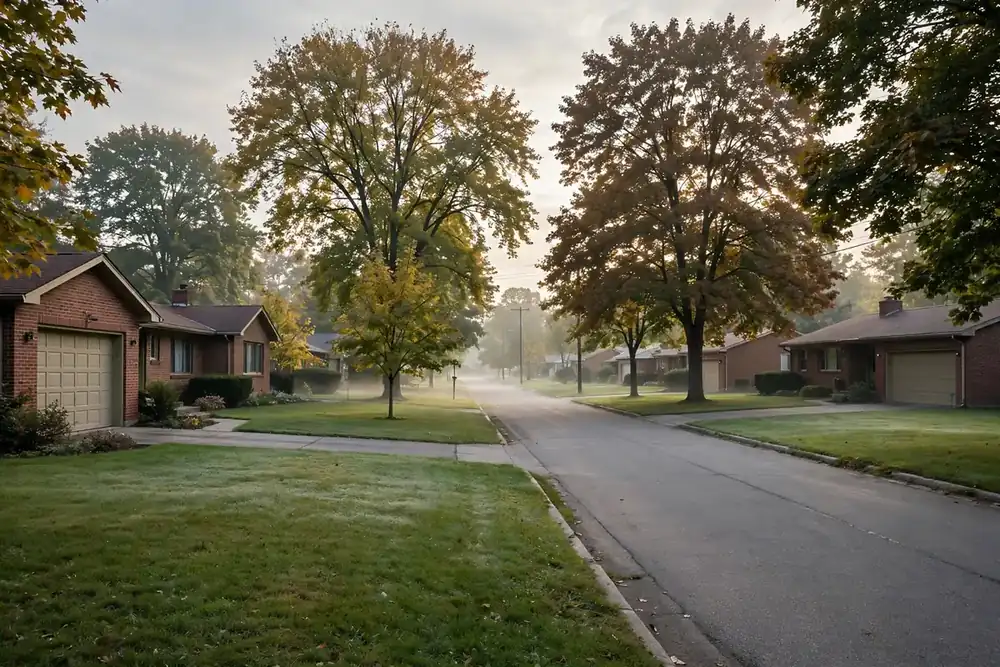
Mid-century brick ranches — ice dams, ventilation, and aging shingles.

Brick ranches under mature canopy — storm damage and wind-lift repair.
Also serving Melvindale, Lincoln Park, Inkster, Garden City, Taylor, Southgate, Redford, Westland, Wayne, Wyandotte, Livonia, Romulus and nearby Wayne County communities.
We publish only reviews we can verify. Had a repair done? Your honest review helps Dearborn neighbors choose with confidence.
Photo-documented inspection. Written quote before work starts. The cheapest repair is the one you make now.
Call (313) 769-7896Photo-documented inspection. Written quote before work starts. The cheapest repair is the one you make now.
Call (313) 769-7896