After a Dearborn windstorm or hail cell, the damage isn't always obvious from the driveway — but insurance adjusters have a short memory for undocumented damage. We respond fast: emergency tarping to stop water entry, then a full damage survey with dated photos that serve both the repair plan and your insurance claim. You get the roof fixed and the paperwork to back it.
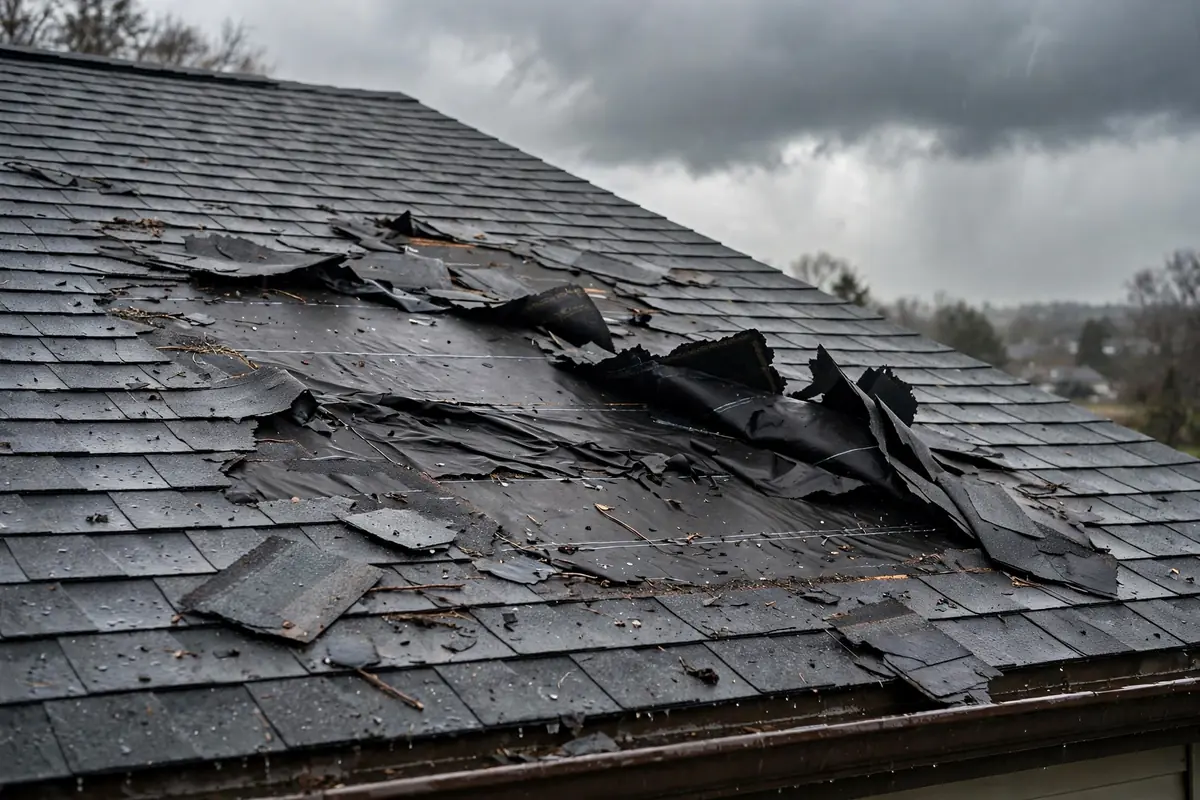
First, we stop the water: emergency tarping over torn sections, secured to survive the next weather band. Then we walk the full roof — every slope, ridge, valley, and penetration — photographing wind-lifted tabs, hail bruising, displaced flashing, and collateral damage to gutters and siding.
Every photo is dated. That documentation becomes the foundation of both our repair scope and your claim file.
We write up findings in plain language — what was damaged, by what, and what it takes to fix — and we can meet your adjuster on the roof to walk through it together. What we don't do is interpret your policy or promise coverage; that's between you and your carrier.
One rule that protects you: document before repairing. Once shingles are replaced, the evidence of what the storm did is gone.
Storm repairs range from re-securing lifted courses to full-slope replacement when hail bruising is widespread. We scope to the actual damage — matching shingles woven in where the roof is otherwise healthy, and an honest replacement recommendation when the storm finished off an already-aging roof.
Emergency tarping first, full survey immediately after.
Every damaged area photographed and dated for your records.
We meet your adjuster on the roof and explain our findings.
Repair scope and price in writing before work starts.
Drag the handle to compare.
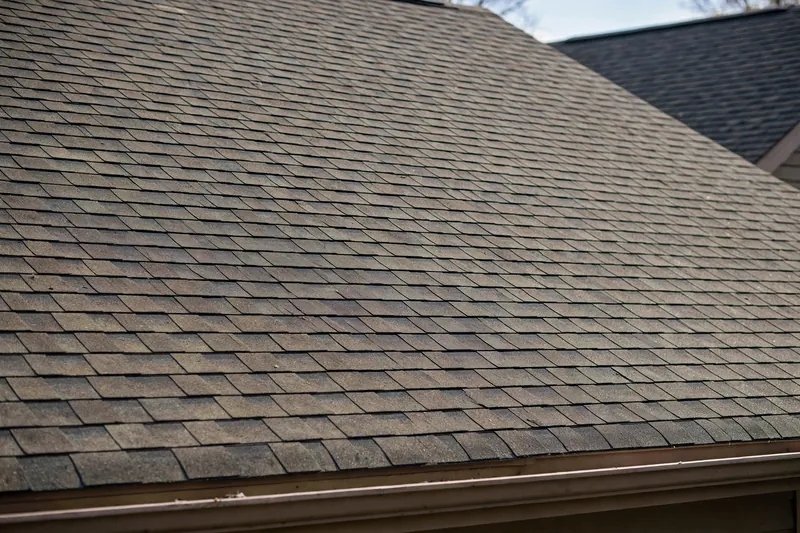
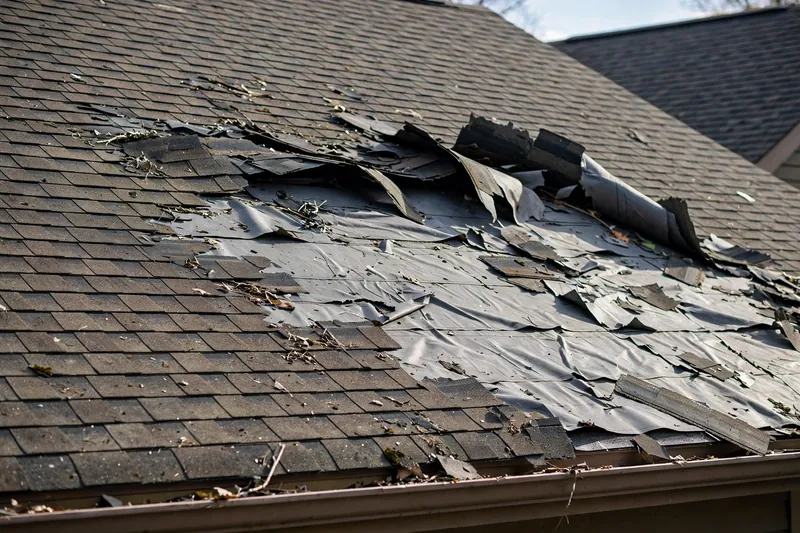
Wind-torn slope fully restored after spring storms. Representative example — not a photo of a client job.
Photo-documented inspection. Written quote before work starts. The cheapest repair is the one you make now.
Call (313) 769-7896